






HMRC rules shape volunteer expense guidance
From 6 April 2020, HMRC has legislated for new rules on how UK charities and other organisations can cover private expenses for volunteers and office holders. The key…
HomeLatest
Every explainer and guide from the Relief Weekly desk, newest first.
Aid & Development
Small loans were once hailed as a cure for poverty; the evidence points to modest gains, real debt risks and a role for savings groups.
Aid & Development
International guidance treats institutions as a narrow exception, and donors are increasingly asked to help children stay with or return to families.
Aid & Development
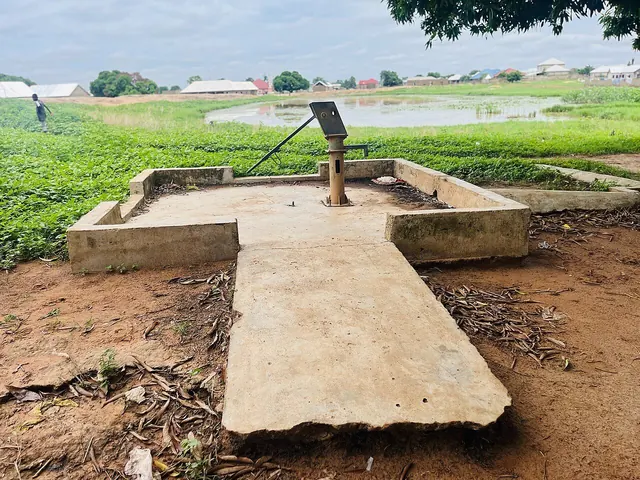
Drilling a borehole is the easy part; safe water depends on service levels, spare parts, local management and hygiene alongside the tap.
Aid & Development
The acronyms in crisis reporting each stand for a different mandate; here is who handles refugees, children, food, health and coordination.
Aid & Development
A plain guide to the rules behind the UK aid budget, from the OECD definition of aid to the watchdog that reviews how it is spent.
Crises Explained
The words refugee, asylum seeker and migrant are often used as if they were the same, but in law each one carries different rights and protections.
Crises Explained
Famine is a technical classification with three strict thresholds, reviewed by independent experts, and people are often dying long before it is…
Crises Explained
Tins and blankets feel like the most personal gift, yet aid agencies almost always ask for money instead. Here is why cash reaches people faster.
Crises Explained
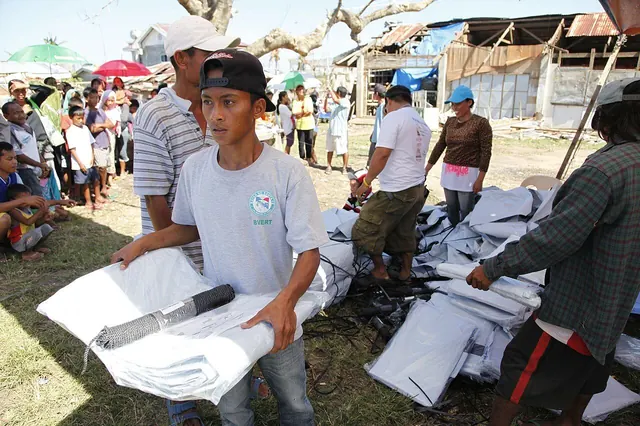
From the first hours of rescue to years of rebuilding, the help a disaster zone needs changes week by week, and so does the way agencies organise it.
Crises Explained
One joint appeal, fifteen UK aid charities and three strict tests: how the DEC decides when to ask the public for help and where the money goes.
Volunteering
Bake sales, raffles and sponsored challenges are simple to run, but lotteries, public collections and food each come with rules worth knowing first.
Volunteering
Crisis support, first aid, lifeboats and search teams all rely on trained volunteers, each with its own requirements and route in.
Volunteering
Clean, sellable goods are welcome, but fire labels, electrical testing and safety rules decide what a charity shop can actually put on sale.
Volunteering
A placement overseas should meet a real local need and keep children safe; these checks separate responsible volunteering from voluntourism.
Volunteering
From volunteer centres to DBS checks and expenses, the practical steps a first-time volunteer in the UK needs to know before signing up.
Giving
A charity gift in a will escapes Inheritance Tax and, above a 10% share, can lower the rate on the rest of the estate.
Giving
Giving through the payroll means tax relief at your own rate from day one, as long as your employer or pension provider runs a scheme.
Giving
Fake appeals follow every big disaster; a registered number, a licensed collector and a Fundraising Badge are the quickest ways to tell them apart.
Giving
The tick box on a donation form lets a charity reclaim basic-rate tax, provided the donor has paid enough tax to cover it.
Giving
Three UK registers, one simple habit: match the charity's name and number to the official record before any money changes hands.
Material supplied by partners appears below, newest first, and is labelled as such.
Anyone setting up an appeal after a disaster should name the charity from the first day. That is...
Fees on online giving come in three shapes: a percentage plus a fixed amount on every donation, a...
A donor who gives £10 through an online platform should be able to see, before typing in a card...
Nothing in charity law stops a UK charity from sending money abroad. According to GOV.UK guidance...
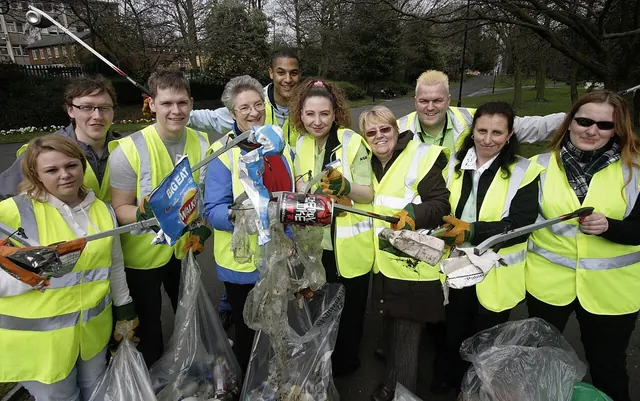
From 6 April 2020, HMRC has legislated for new rules on how UK charities and other organisations can cover private expenses for volunteers and office holders. The key…
A £100 gift to a charity can be worth £125 to it, but only if the donation, the donor and the paperwork all meet HMRC's tests. Gift Aid is the main route by which UK…
In a move to significantly speed up humanitarian response times, the UK's Foreign, Commonwealth & Development Office (FCDO) and the Disasters Emergency Committee (DEC)…
British charities are reporting stronger volunteer participation in some areas of their work, although the sector continues to grapple with rising costs, funding…
The Charity Commission’s latest guidance strengthens the framework for charities preparing for emergencies such as severe flooding, connecting contingency planning with…
From the archive of the charity website that once used this address
All storiesFrom the archive. Around 1998 to 2001 this web address carried the website of a small UK relief charity. This page keeps one of its items as a historical record. Relief Weekly, which publishes the site today, is an independent magazine with no connection to that charity; its name, the names of its staff and supporters, addresses, telephone numbers, registration details and donation forms have been removed, and lost pictures have been replaced with credited photographs of the places concerned. Nothing here is a current appeal.
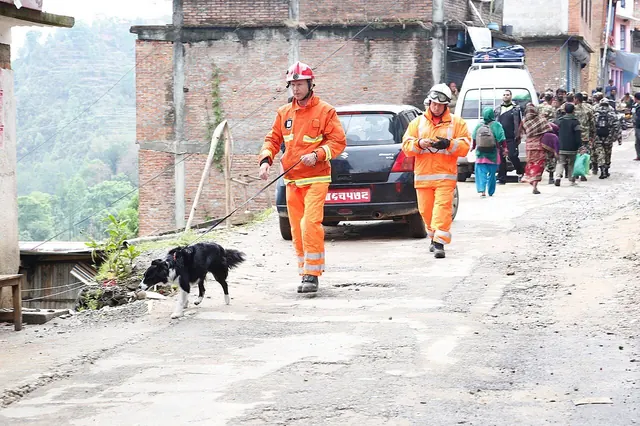
India earthquake. We have decided to concentrate our efforts totally on medical supplies to assist in the aid of India. Over 16,000 people are confirmed dead and the country advises they are in fear that the death toll will be close to 100,000.Appeal for the Gujarat earthquake, as reported at the time
El Salvador earthquake. 170,000 homes have been demolished. Over 700 dead in a matter of seconds. We already have had medical teams in El Salvador, as well as shipped five containers of goods to include medicines, blankets and food supplements.Appeal for the El Salvador earthquake, as reported at the time
These appeals are closed; the figures are as the charity reported them in the first days after each earthquake. How disaster response works today: relief, recovery and rebuilding and how DEC appeals work.