Crises Explained · Explainer
Phases of Disaster Response
From the first hours of rescue to years of rebuilding, the help a disaster zone needs changes week by week, and so does the way agencies organise it.
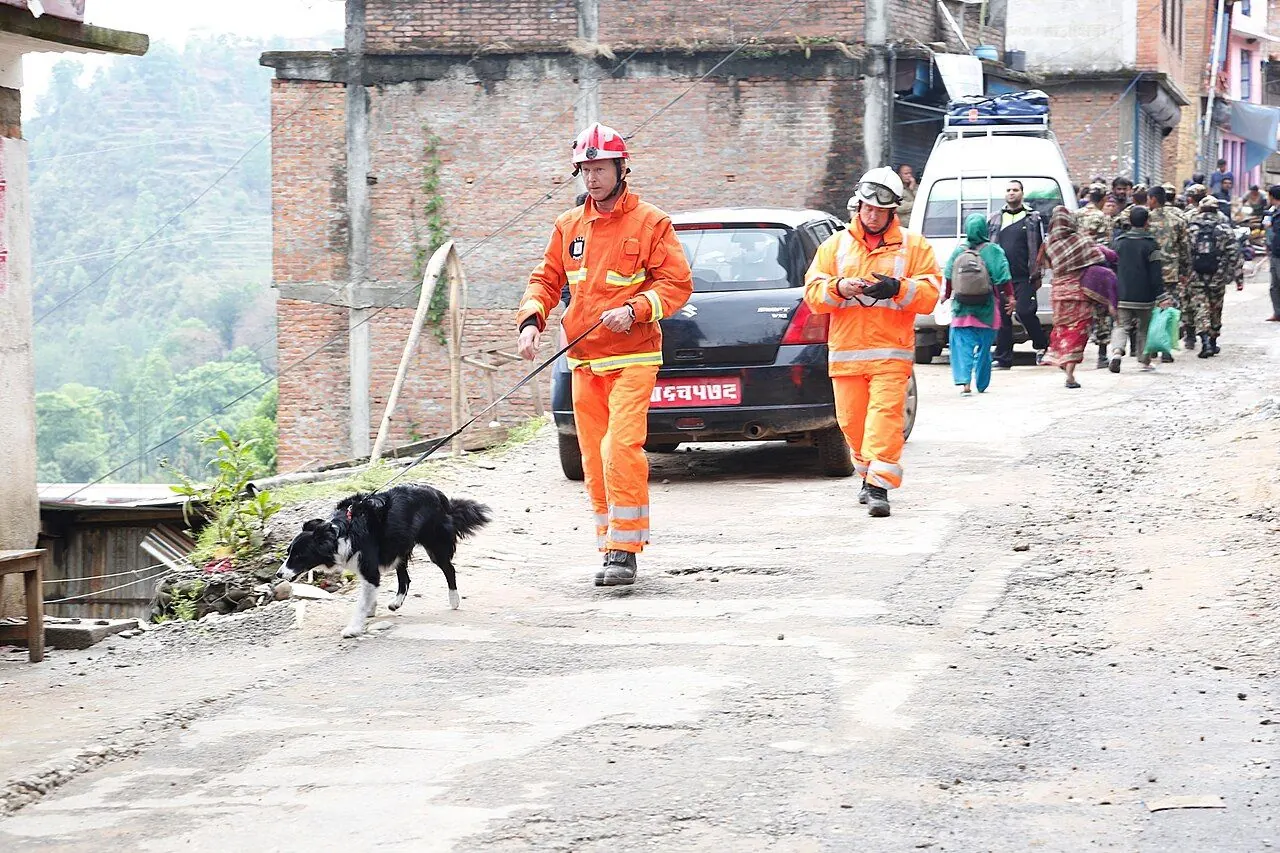
Photo: DFID / Wikimedia Commons, CC BY 2.0
Disaster relief is not one event but a sequence: it begins with search and rescue in the first hours, moves into coordinated emergency relief for basic needs, then into recovery and reconstruction, and finally into reducing the risk of the next disaster. The process shifts as the needs shift, which is why the help required in week one is different from the help required in month six.
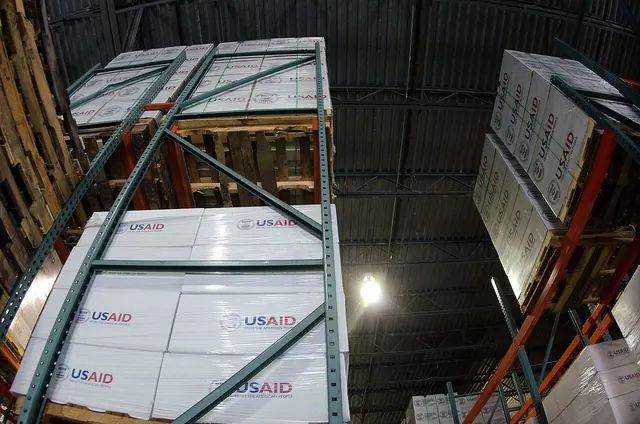
Most of what people see of a disaster comes from the news: search-and-rescue footage, relief flights and convoys, aid workers handing out shelter and supplies. Knowing the stages behind those pictures helps organisations work out their role and helps donors understand where relief funds go at each point.
The first days: rescue and emergency relief
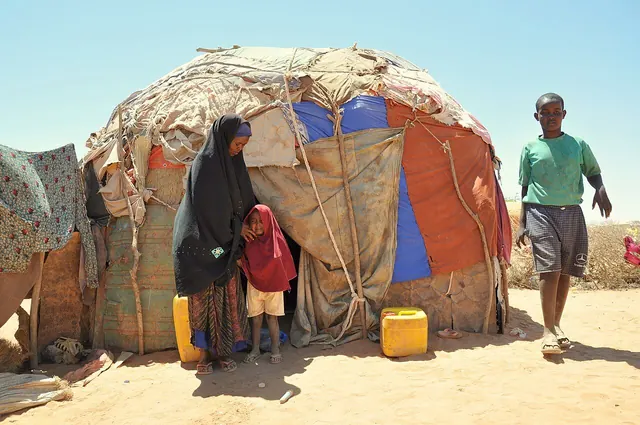
In a disaster, the first vital work is search and rescue. This is the point of greatest risk to people trapped in collapsed buildings or cut off by floodwater, and local emergency services, neighbours and national authorities lead it, with international teams arriving later if the government asks for them. Alongside rescue comes emergency relief: shelter, safe water and sanitation, food and health care for everyone affected.
A few days in, this early response is organised into a coordinated effort through the cluster approach. Clusters are groups of UN and non-UN humanitarian organisations in each main sector, and there are 11 global clusters, including food security, health, shelter, logistics, protection, education and water, sanitation and hygiene. The approach was introduced in 2005 as part of a reform of UN humanitarian coordination and was first used after the earthquake in Pakistan that October. In a crisis, the Emergency Relief Coordinator, who heads OCHA, can activate clusters at the request of the humanitarian coordinator in the country.
Each global cluster has a lead agency: the World Food Programme leads logistics and co-leads food security with FAO, UNHCR leads protection, and UNHCR and the IFRC co-lead shelter. Lead agencies act as the "provider of last resort" in their sector, so that gaps in help do not leave people unserved. How many clusters a country needs, and who leads each, depends on the needs identified in the response plan.
Recovery and rebuilding
The relief phase shifts to recovery as soon as possible, rather than waiting for everything to be back to normal. Depending on the scale and type of disaster, recovery work begins within days, weeks or months, and some agencies call its first stage early recovery. UNDRR, the UN office for disaster risk reduction, defines recovery as restoring or improving the livelihoods, health, assets and systems of an affected community, in a way that avoids or reduces future disaster risk.
Reconstruction is the medium- and long-term rebuilding of resilient infrastructure, services, housing, facilities and livelihoods that a community needs to function fully. Clusters are meant to be temporary, so as the operation moves from response to recovery, coordination is progressively handed over to national and local bodies.
The idea running through this phase is "build back better": using recovery, rehabilitation and reconstruction to make nations and communities more resilient, by building risk reduction into new infrastructure and into the revival of livelihoods, economies and the environment. The priority is not just to restore what was there, but to make it stronger.
Preparing for the next disaster
The Sendai Framework for Disaster Risk Reduction 2015–2030, adopted by UN member states, treats disasters as a risk to be reduced continuously, not only something to respond to. One of its four priorities is enhancing disaster preparedness for effective response and to "Build Back Better" in recovery, rehabilitation and reconstruction. According to UNDRR, preparedness strengthens early warning systems, raises public awareness and response capacity, and improves understanding of roles and responsibilities before a disaster strikes.
For donors, the practical point is that needs change week by week. Emergency relief, recovery and preparedness all need money, and an unrestricted gift to an established agency's appeal lets it spend where the gap is greatest as the response moves from one phase to the next.
General information, checked against the sources below at the time of writing. Rules and tax reliefs change; confirm with GOV.UK, the regulator or the organisation concerned before you rely on them. Relief Weekly is a magazine, not a charity, and does not collect donations.