Volunteering · Explainer
Emergency Response Volunteering
Crisis support, first aid, lifeboats and search teams all rely on trained volunteers, each with its own requirements and route in.
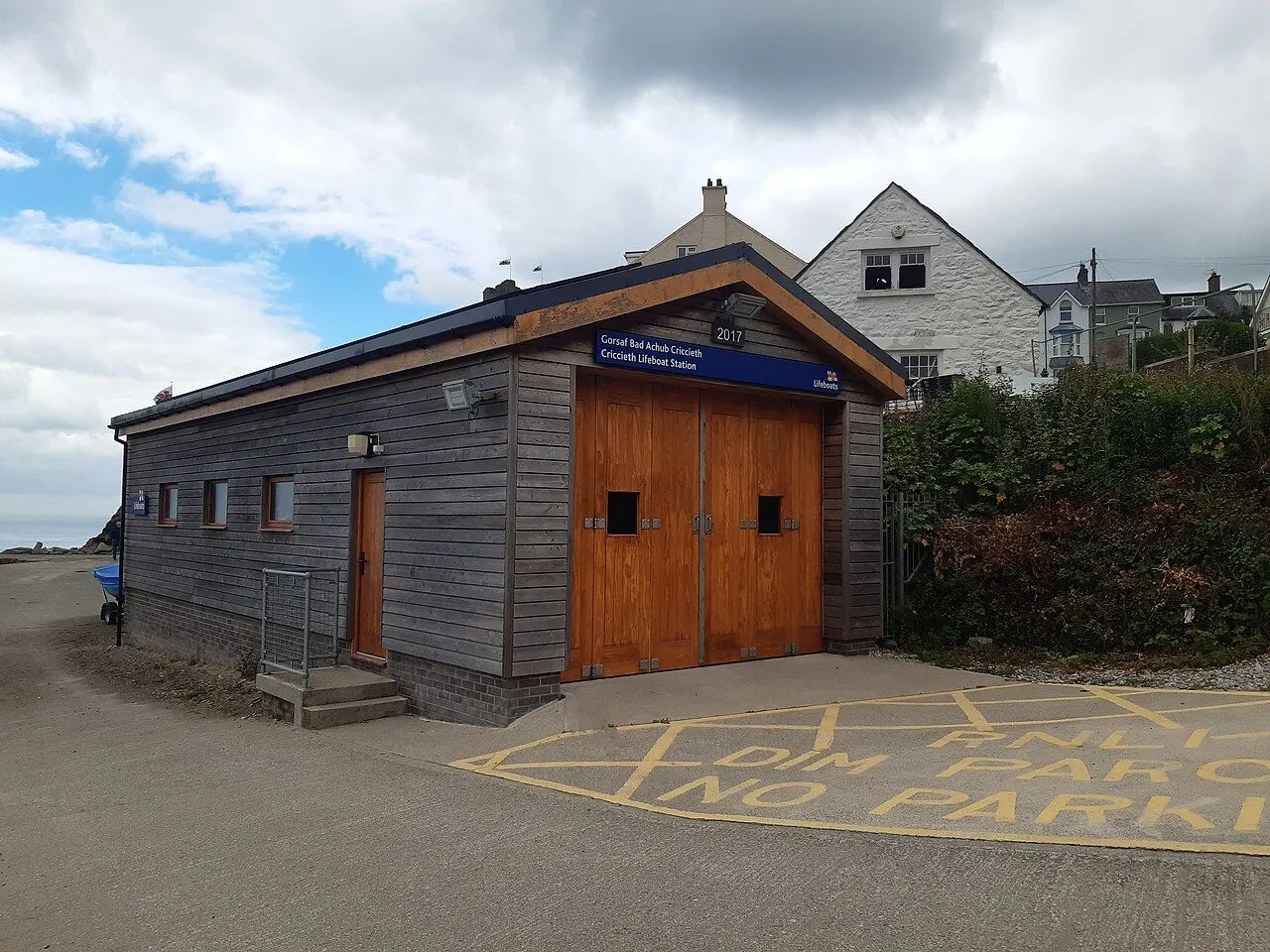
Photo: Ojsyork / Wikimedia Commons, CC BY 4.0
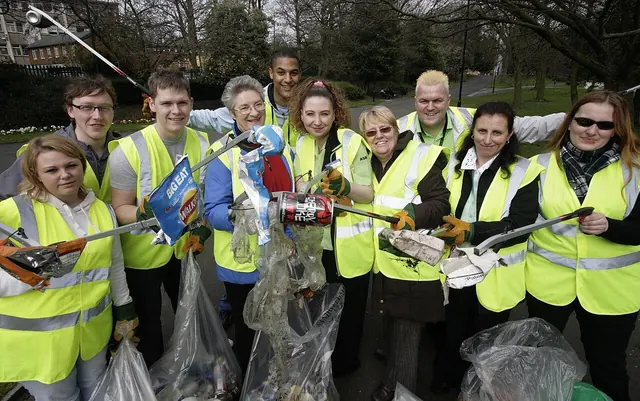
There is no single route to becoming an emergency response volunteer in the UK: you apply to the organisation whose work suits you, from the British Red Cross and St John Ambulance to lifeboat crews, mountain rescue and lowland search teams. Each has its own application route, training and requirements.
Emergency Support and First Aid
British Red Cross emergency response volunteers give practical and emotional support to people in a crisis in the UK, such as a fire or flood: they offer comfort, hand out essentials like food, water and clothing, and make sure people get the support and information they need. The charity asks that they are over 18, calm under pressure, ready to be called out as part of a volunteer rota, and willing to attend regular group nights and keep up with training. No specific qualifications are needed, as full training for the role is provided.
After applying online, British Red Cross applicants receive a confirmation email, then a phone conversation with a recruiter, and possibly additional checks depending on the role. St John Ambulance volunteers support communities, events and other emergency services; its route begins with an online application, followed by an interview or selection event and recruitment checks. It says roles such as Community First Aider and Emergency Responder need no previous first aid experience, as it provides the training and guidance needed to get started.
Search and Rescue at Sea and on Land
The RNLI's lifeboat crews are volunteers attached to a local station. Crew members usually need to be at least 17, live or work close enough to reach the station quickly when called, and meet the RNLI's fitness and medical standards; each station also needs shore crew and other volunteers. Mountain Rescue England and Wales says that if you are a keen mountaineer with a good knowledge of rope work, navigation and basic first aid, you could volunteer to join your local team. Training to full call-out status takes time, and team members are expected to respond to call-outs and attend regular training.
Lowland Rescue teams, coordinated by the Association of Lowland Search and Rescue, assist the emergency services in searching for missing and vulnerable people in non-mountainous parts of the UK. Most members fit their duties around work and family, responding to call-outs when they are available. Like mountain rescue teams, they recruit locally, so the first step is to contact the nearest team and ask about its requirements.
Other Ways to Help and How to Start
Not every role is on the front line. Mountain rescue teams, for example, also need help organising events, with publicity and with looking after vehicles, and even an hour or two a week makes a difference. The national NHS and Care Volunteer Responders programme, set up in 2020, closed in May 2025, so NHS volunteering is now arranged through NHS organisations' own volunteering schemes.
To start, decide what you can realistically commit to, whether you can respond at short notice and how far you live from a base. Then check the organisation's current vacancies in your area, read the stated age and fitness requirements, and apply directly: training and checks are a normal part of every route.
General information, checked against the sources below at the time of writing. Rules and tax reliefs change; confirm with GOV.UK, the regulator or the organisation concerned before you rely on them. Relief Weekly is a magazine, not a charity, and does not collect donations.