Aid & Development · Explainer
UK Aid Explained
A plain guide to the rules behind the UK aid budget, from the OECD definition of aid to the watchdog that reviews how it is spent.
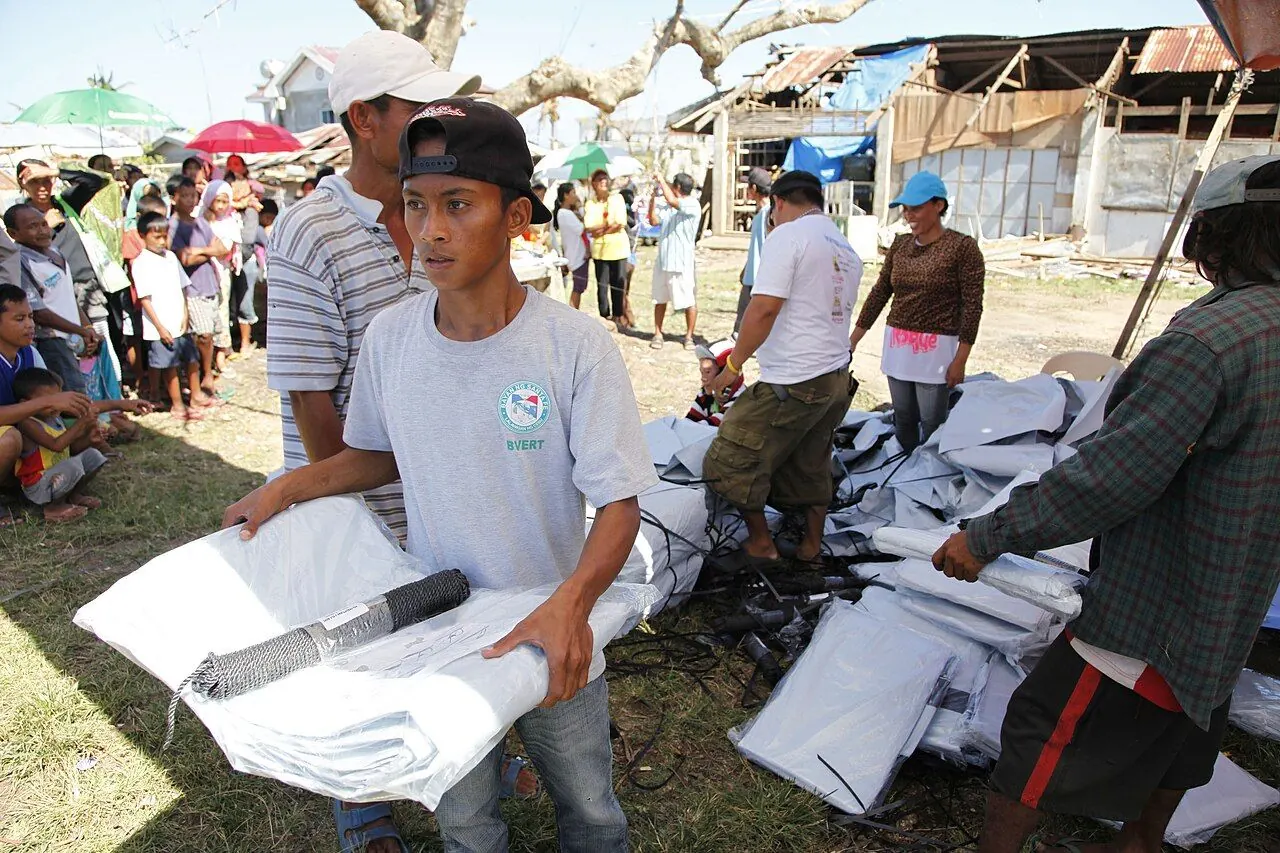
Photo: DFID / Wikimedia Commons, CC BY 2.0
UK foreign aid is measured and reported as Official Development Assistance, or ODA, an international statistical definition set by the OECD's Development Assistance Committee (DAC). The Foreign, Commonwealth and Development Office (FCDO) collates the figures for the whole of government and reports them to the OECD, including the ODA:GNI ratio, which shows aid as a share of gross national income.
The official numbers appear in the FCDO's Statistics on International Development, published twice a year: provisional figures on UK ODA spend in spring, and final figures, with a fuller breakdown by sector and country, in autumn. Together, these are the main channel for the UK's aid numbers, and you can read them on GOV.UK.
What counts as UK aid
ODA is funding that meets strict conditions: it must go to ODA-eligible countries and territories or to multilateral organisations; its main objective must be the economic development and welfare of developing countries; and it must be concessional, meaning the terms are softer than any commercial deal. Because the UK statistics follow the OECD DAC rules, UK figures can be compared with those of other donors.
| Category | What it means in the official statistics |
|---|---|
| Bilateral ODA | Aid for a specific purpose, normally a particular country, region or sector, for projects in developing countries or delivered through partners |
| Multilateral ODA | Core funding given to a multilateral organisation without specifying where or how it is spent, pooled with other donors' money |
| In-donor refugee costs | Certain support for asylum seekers and refugees from developing countries during their first 12 months in the donor country, such as transport and temporary sustenance |
The 0.7% target and how it became law
The 0.7% figure is a United Nations target. In 1970 the UN General Assembly called on economically advanced countries to reach official development assistance of 0.7% of national income, then measured as gross national product and today as GNI. In 2005 the UK and other major donors pledged to reach 0.7% of GNI by 2015. The UK first achieved the target in 2013 and met it each year until 2021.
The target became law through the International Development (Official Development Assistance Target) Act 2015. Section 1 places a duty on the government to meet the 0.7% target from 2015, and section 2 requires a statement to Parliament if it is not met. You can read the Act on legislation.gov.uk.
Who spends the money and who checks it
The FCDO is the lead department, but UK aid is spread across several government departments and other public bodies, and the official statistics count all of it. In its analysis of 2023 spending, for example, the Independent Commission for Aid Impact (ICAI) listed the Department for Energy Security and Net Zero and the Department of Health and Social Care among the other spenders.
In-donor refugee costs are the part of UK aid that most often surprises readers. OECD DAC rules allow a donor to count some of the cost of supporting refugees and asylum seekers in their first year in the country as ODA, so part of the headline aid figure is spent inside the UK. The statistics report these costs separately, which lets readers see how much of the total they make up.
ICAI was set up in 2011 to scrutinise all UK ODA, whichever department spends it. It is independent of government and reports to Parliament through the House of Commons International Development Committee. Its reviews assess whether aid is effective and good value, and its explainer on how UK aid is spent is a useful plain-language summary.
To check any claim about UK aid, start with the Statistics on International Development for the figures, the 2015 Act for the legal duty, ICAI for independent reviews, and the OECD's data for comparisons with other donors.
General information, checked against the sources below at the time of writing. Rules and tax reliefs change; confirm with GOV.UK, the regulator or the organisation concerned before you rely on them. Relief Weekly is a magazine, not a charity, and does not collect donations.