Aid & Development · Explainer
What Is Microfinance
Small loans were once hailed as a cure for poverty; the evidence points to modest gains, real debt risks and a role for savings groups.
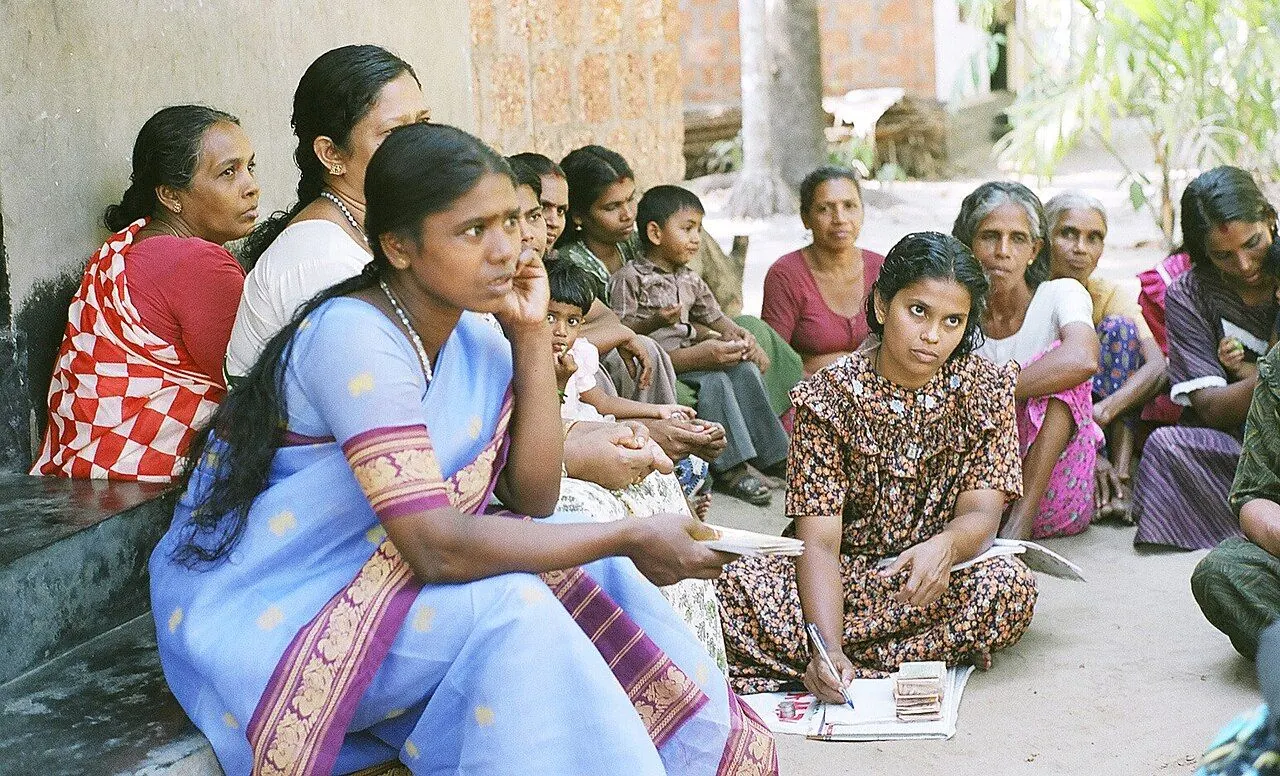
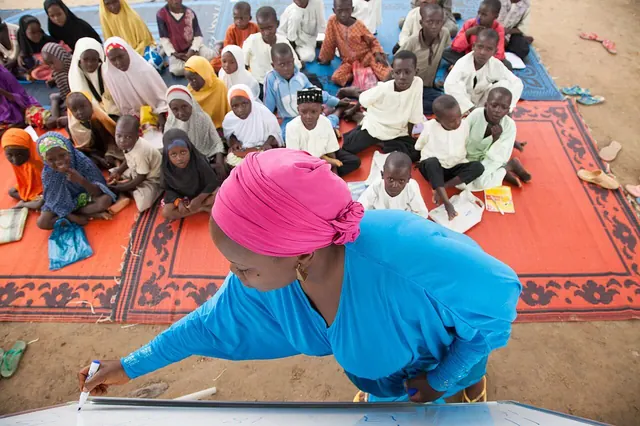
Photo: Jaimoen87 / Wikimedia Commons, CC BY-SA 3.0
Microfinance is the provision of financial services such as small loans, savings and insurance to people on low incomes who are poorly served by ordinary banks. It can help some households, but the best evidence suggests its average effects are modest rather than a reliable route out of poverty.
What microfinance includes
At its core is microcredit: small loans to poor and low-income borrowers, often for tiny informal businesses. But microfinance is more than microcredit. The Consultative Group to Assist the Poor (CGAP), a partnership housed at the World Bank, has defined microfinance as the provision of banking services to lower-income people, especially the poor and the very poor. It notes that the term is often used in a much narrower sense, meaning microcredit for tiny informal businesses delivered using methods developed since 1980, mainly by socially oriented NGOs.
Many lenders use group lending. Borrowers meet in small groups at a set time and place to repay, and in some models members also guarantee one another's loans, known as joint liability, which stands in for the collateral that poor borrowers lack. Microfinance also includes savings accounts, pensions and microinsurance, which offers cover for small risks in return for very small premiums.
Grameen Bank and Muhammad Yunus
Microfinance achieved global prominence when the Nobel Peace Prize for 2006 was awarded in two equal parts to Muhammad Yunus and Grameen Bank "for their efforts to create economic and social development from below". According to NobelPrize.org, Grameen Bank's objective since its establishment in Bangladesh in 1983 has been to grant poor people small loans on easy terms, and Yunus was its founder. The Nobel Committee described micro-credit as an ever more important instrument in the struggle against poverty.
In his Nobel lecture, Yunus said Grameen was lending to nearly 7.0 million poor people in Bangladesh, 97 per cent of them women. He described collateral-free loans for income generation, housing, students and micro-enterprises, alongside savings, pension funds and insurance products for members.
What the evidence and risks show
The strongest evidence comes from randomised evaluations, which compare areas or people offered microcredit with similar ones that were not. A 2015 overview of six such studies across six countries on four continents, published in the American Economic Journal: Applied Economics, found a consistent pattern of "modestly positive, but not transformative, effects". Access to credit can widen people's choices and support small businesses, but on average it has not been shown to transform household incomes.
The main risk is over-indebtedness. CGAP has warned that lenders who make loans without enough examination of a borrower's repayment capacity can easily leave borrowers over-indebted, and that governments in some countries have found it necessary to regulate against such behaviour and against unacceptable loan-collection practices.
Savings groups, including village savings and loan associations, are a widely used alternative. CGAP describes them as groups of 15 to 25 self-selected people who meet regularly to save, then pool their savings to make loans to members. At the end of each cycle, which lasts up to 12 months, the savings and interest are shared out, and many groups also keep a small fund for emergencies. Because members lend their own money, the groups do not depend on an outside lender.
For donors, the lesson is to treat microfinance as one tool among several. Ask whether a programme offers savings as well as credit, how it checks that borrowers can afford their repayments, and what evidence it has on the results for the people it serves.
General information, checked against the sources below at the time of writing. Rules and tax reliefs change; confirm with GOV.UK, the regulator or the organisation concerned before you rely on them. Relief Weekly is a magazine, not a charity, and does not collect donations.