Volunteering · Guide
Donating to Charity Shops
Clean, sellable goods are welcome, but fire labels, electrical testing and safety rules decide what a charity shop can actually put on sale.
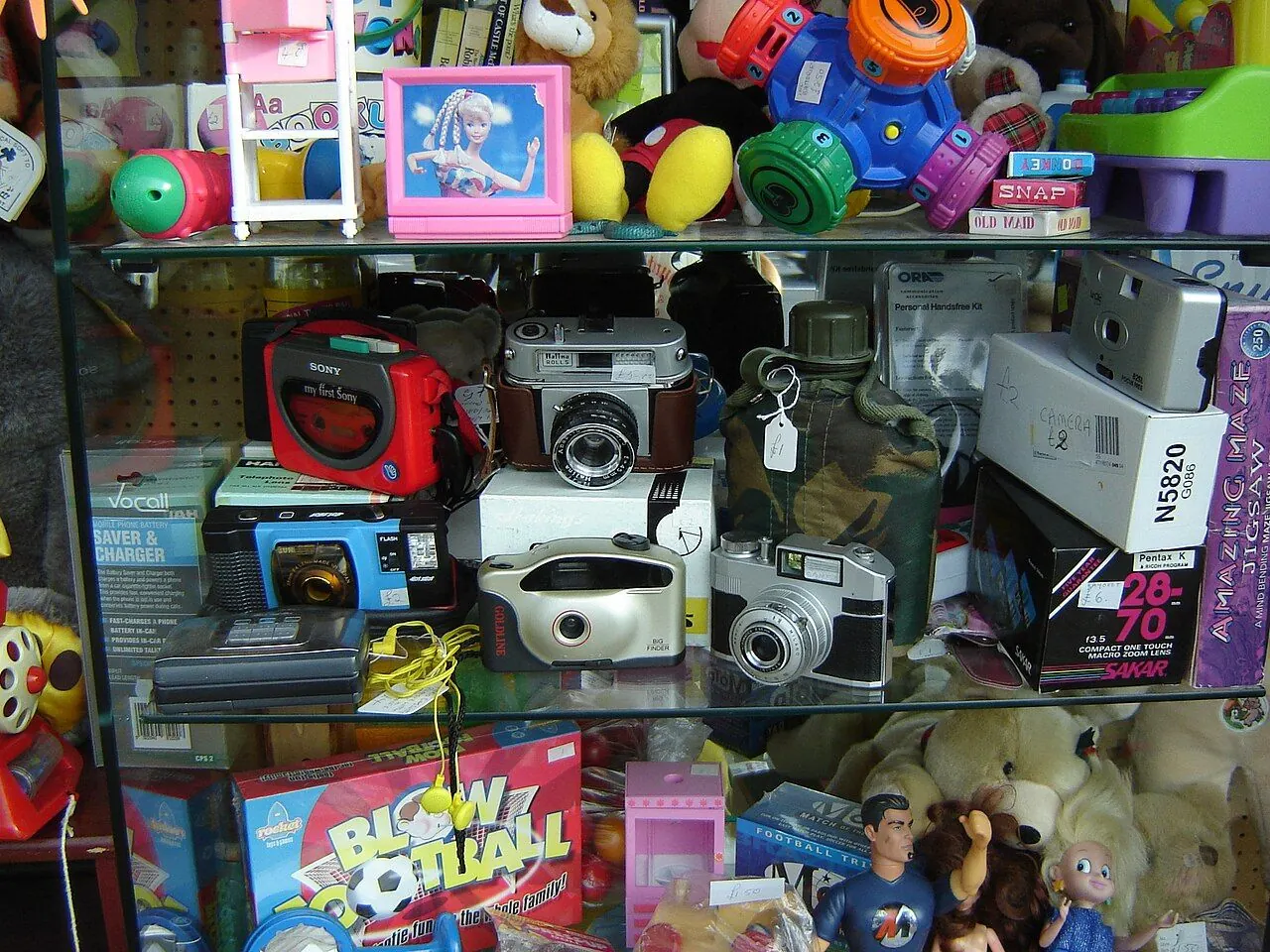
Photo: ProfDEH / Wikimedia Commons, CC BY-SA 3.0
Most UK charity shops accept clean, sellable clothing, shoes, books, toys, ornaments, kitchenware, DVDs, music, games and household textiles, and some also take furniture and electrical items. What they turn away is mostly for safety reasons: upholstered furniture without a fire label, untested electricals and safety equipment such as children's car seats.
What Charity Shops Accept and Refuse
The Charity Retail Association's advice is simple: items do not have to be perfect, just sellable. Check that donations are clean and working, call ahead before bringing large quantities or big items, take them inside and ask staff where to leave them, and never leave bags outside a closed shop. Sorting clothes by type and giving seasonal items in season also helps volunteers get them on to the rails.
The main refusals follow safety law and good practice:
- Upholstered furniture and mattresses must meet the Furniture and Furnishings (Fire) (Safety) Regulations 1988 when sold second hand, shown by a permanent fire safety label. Without the label a shop cannot sell the item, and a removed label cannot be replaced.
- Electrical items need portable appliance (PAT) and function testing before sale, so check first whether the shop can take them; many cannot handle large white goods.
- Car seats and helmets are "one-hit" safety items that can be damaged invisibly, and RoSPA advises against buying them second hand, so most shops refuse them.
- Damaged goods with cracks, missing plugs or leads, or recalled products, are generally refused.
Policies differ between charities, so check a shop's own list before a big clear-out. Many charities with furniture shops offer a collection service for large items, and some run donation banks for clothes, shoes and books.
Gift Aid on Donated Goods
Money raised by selling donated goods does not normally qualify for Gift Aid, because Gift Aid applies to donations of money from UK taxpayers. HMRC allows a way round this through retail Gift Aid: under the standard method, a person takes goods to a charity shop and agrees that the shop will act as their agent in selling them. The sale proceeds, minus any commission, can then be given to the charity as a Gift Aid donation.
The Charity Retail Association describes the scheme as a way of turning donations of goods into donations of money. If you are a UK taxpayer and sign up when you donate, the charity can receive an extra 25p from the government for every £1 it raises from selling your goods. The shop will usually give you a donor number and may write to you about what your items raised.
What Happens to Items That Do Not Sell
Charities often move stock between their shops to give it more chances to sell. Clothing and textiles that still do not sell, or are too worn for the rails, are usually sold to textile merchants, known in the trade as rag merchants, who pass them on for reuse overseas or for recycling. That income still goes to the charity, though it is far lower than a sale in the shop. Items that cannot be sold or recycled have to be disposed of, which costs the charity money.
The practical takeaway: give clean, working, labelled items, ask before bringing furniture or electricals, keep car seats out of the bag, and say yes to Gift Aid if you pay UK tax.
General information, checked against the sources below at the time of writing. Rules and tax reliefs change; confirm with GOV.UK, the regulator or the organisation concerned before you rely on them. Relief Weekly is a magazine, not a charity, and does not collect donations.