Volunteering · How-to
Organise a Charity Fundraiser
Bake sales, raffles and sponsored challenges are simple to run, but lotteries, public collections and food each come with rules worth knowing first.

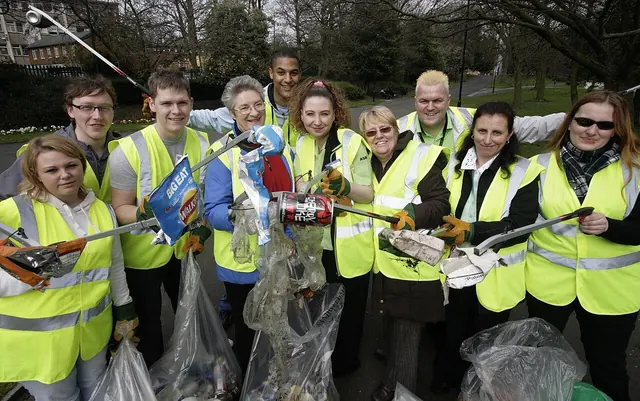
Photo: DAROCUMM PPM 8 / Wikimedia Commons, CC BY-SA 4.0
Before setting up a bake sale, raffle or sponsored fun run, get the charity's agreement, check which rules apply to your type of event, and plan how the money will be collected and handed over. Most small events need no licence, but raffles, collections and food each have rules of their own.
Agreeing the Event with the Charity
First, contact the charity to confirm that it is happy for you to fundraise. GOV.UK's public guidance says to state whether the money is for the charity generally or for something in particular, and if it is for something specific, to check first that the charity is accepting funds for it. Include the charity's name and, if it is registered, its charity number in all your communications. Tell donors up front if you have set a target, and state a time limit for your appeal.
For online giving, the guidance says to use a reputable online fundraising platform or payment transfer system and to avoid collecting money through a personal bank account. You are responsible for making sure donors know how their money will reach the charity, and for transferring the funds promptly. Before you start, you can check a charity's details on the register of the relevant charity regulator.
Raffles, Collections and Food
Raffles are lotteries, a form of gambling, and in Great Britain you must follow the rules for the type you run:
- Incidental lottery: a raffle held as part of a non-commercial event, such as a fete or dinner dance, needs no licence or registration, provided tickets are sold and the draw is made at the event.
- Small society lottery: a charity's lottery with tickets sold beyond a single event must be registered with the local authority.
- Gambling Commission licence: needed for lotteries with ticket sales of more than £20,000 each, or £250,000 in a calendar year.
- Online or telephone lotteries, including draws run on social media or fundraising platforms, always need a registration or licence.
Collecting money in public needs permission. In England and Wales, a street collection licence under the Police, Factories, etc. (Miscellaneous Provisions) Act 1916 comes from your local council, and house-to-house collections need a licence from the licensing authority under the House to House Collections Act 1939, granted for no more than twelve months at a time. In Scotland both kinds of collection need a public charitable collection licence from the council under the Civic Government (Scotland) Act 1982. Northern Ireland has its own arrangements, so check locally.
For a bake sale, GOV.UK guidance says you do not need a food hygiene certificate to make and sell food for charity events, but you must handle food safely. If the activity is very limited and infrequent, the local authority may decide that registration as a food business is not needed. Store and transport cakes safely and list the allergens in each item. For larger events, check whether the venue or the charity's insurance covers you, and assess the risks before the day.
Sponsorship, Gift Aid and Handing Over the Money
Money from a sponsored event does not belong to the person being sponsored, so it is not theirs to Gift Aid. Each sponsor who is a UK taxpayer can Gift Aid their own donation by giving their full name and home address and ticking the Gift Aid box on a sponsorship form such as HMRC's model form.
Afterwards, count the money raised, bank it and send it to the charity promptly, telling it how much came from each source (cash, cheque, online) and passing on any sponsorship forms. Agree first, follow the rules for raffles, collections and food, and keep the money traceable: that is what turns a good idea into a fundraiser a charity can welcome.
General information, checked against the sources below at the time of writing. Rules and tax reliefs change; confirm with GOV.UK, the regulator or the organisation concerned before you rely on them. Relief Weekly is a magazine, not a charity, and does not collect donations.
Sources
- gov.uk/guidance/raising-money-for-charity-public-guidance
- gamblingcommission.gov.uk/public-and-players/fundraising-and-lotteries
- gov.uk/government/publications/providing-food-at-community-and-charity-events/providing-fo
- gov.uk/government/publications/charities-detailed-guidance-notes/chapter-3-gift-aid