Volunteering · Guide
Volunteering Abroad Responsibly
A placement overseas should meet a real local need and keep children safe; these checks separate responsible volunteering from voluntourism.
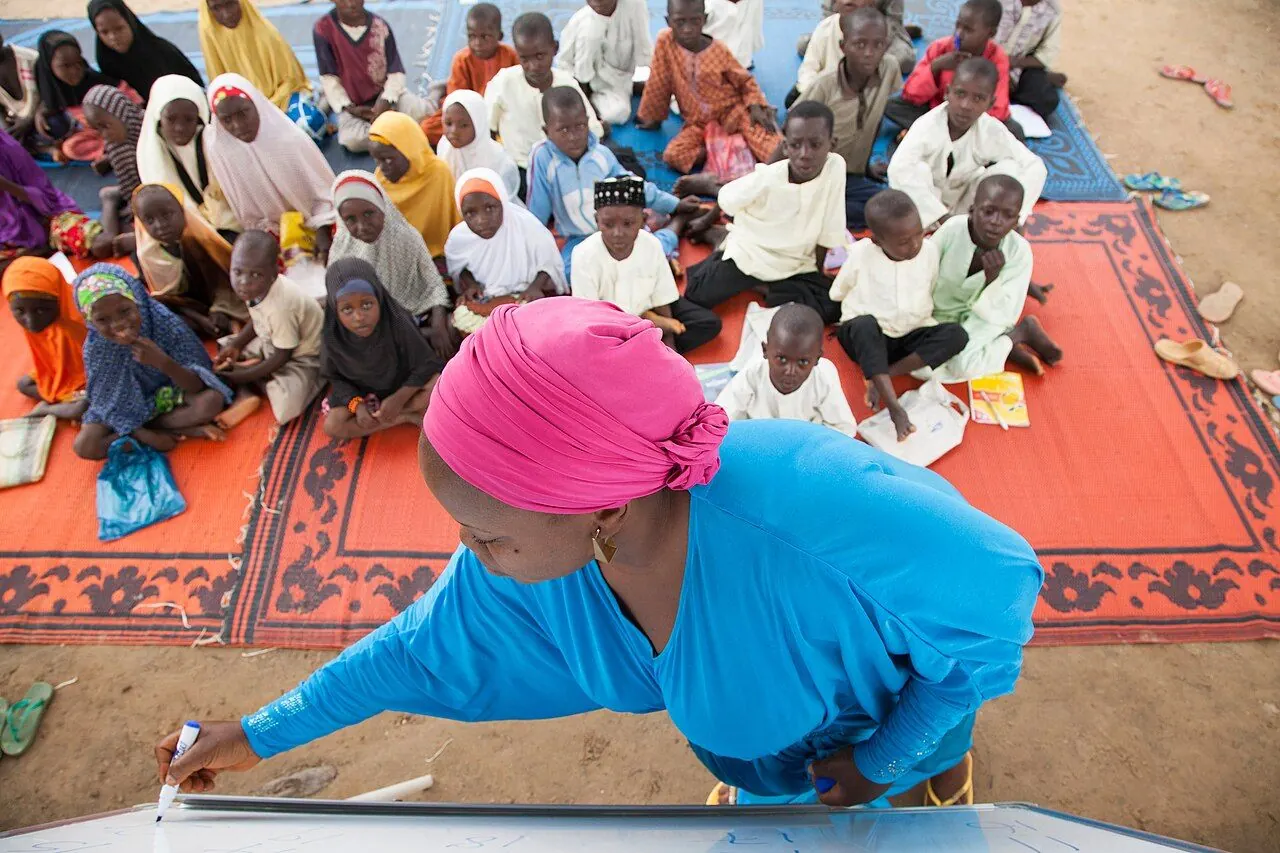
Photo: USAID in Africa / Wikimedia Commons, Public domain
Volunteering abroad can help, but only when the placement meets a real local need, keeps children safe and is legal and properly covered. Before paying any fee, check the Foreign, Commonwealth & Development Office (FCDO) travel advice, avoid orphanage placements and ask the organiser hard questions about who the project is for.
Travel Advice, Visas and Insurance
Start by checking the FCDO travel advice for your destination. It covers entry requirements, safety and security, health risks and legal differences, and it can advise against "all but essential travel" or "all travel" to a country or part of one. The FCDO warns that travelling against its advice could invalidate travel insurance, so read it before you book and again before you go.
The GOV.UK foreign travel checklist says to get the correct visa for your destination, to check that your passport meets entry requirements, and to get appropriate travel insurance as soon as you book. The insurance should cover the places you will visit, the length of your stay and your planned activities, and volunteering is one of those activities. If the organisation provides cover, check what it includes. Ask the destination country's embassy whether volunteering needs a particular visa rather than a tourist entry, and note the contact details of the nearest British embassy or consulate.
Why Orphanage Volunteering Is a Red Flag
UNICEF warns that volunteering in orphanages, though often well meant, can fuel trafficking, keep children in institutions and harm their development. Many children in orphanages are not orphans: in Nepal, UNICEF estimates that 85 per cent of children in orphanages have at least one living parent, and some children are separated from their families to attract fee-paying volunteers and donors. Young children quickly form bonds with short-term volunteers and may feel abandoned when they leave, and without stringent background checks children in orphanages are exposed to abuse. UNICEF's advice is to support family-based care instead. The same caution applies to any short placement that gives unqualified visitors unsupervised contact with children.
Questions to Ask Any Placement
A responsible organisation should be able to answer plainly:
- Who asked for the project, and which local partner runs it all year round?
- Does the role match your skills, or could it be done by paid local staff?
- Where does your fee go, and how much reaches the project?
- What safeguarding policy applies, and will you need a criminal record check?
- What safety measures are in place, and what happens if you must come home early?
Vague answers, pressure to book quickly or the promise of close contact with children are reasons to walk away.
Volunteering in person is not the only way to help overseas. People with professional skills such as accounting, IT, health or teaching can offer them through skilled or remote volunteering, and anyone can support established agencies' programmes from home. The practical takeaway: check the FCDO advice, stay away from orphanages, and choose a placement only when the organiser can show that local people asked for it and benefit from it.
General information, checked against the sources below at the time of writing. Rules and tax reliefs change; confirm with GOV.UK, the regulator or the organisation concerned before you rely on them. Relief Weekly is a magazine, not a charity, and does not collect donations.