Aid & Development · Explainer
UN Agencies Explained
The acronyms in crisis reporting each stand for a different mandate; here is who handles refugees, children, food, health and coordination.
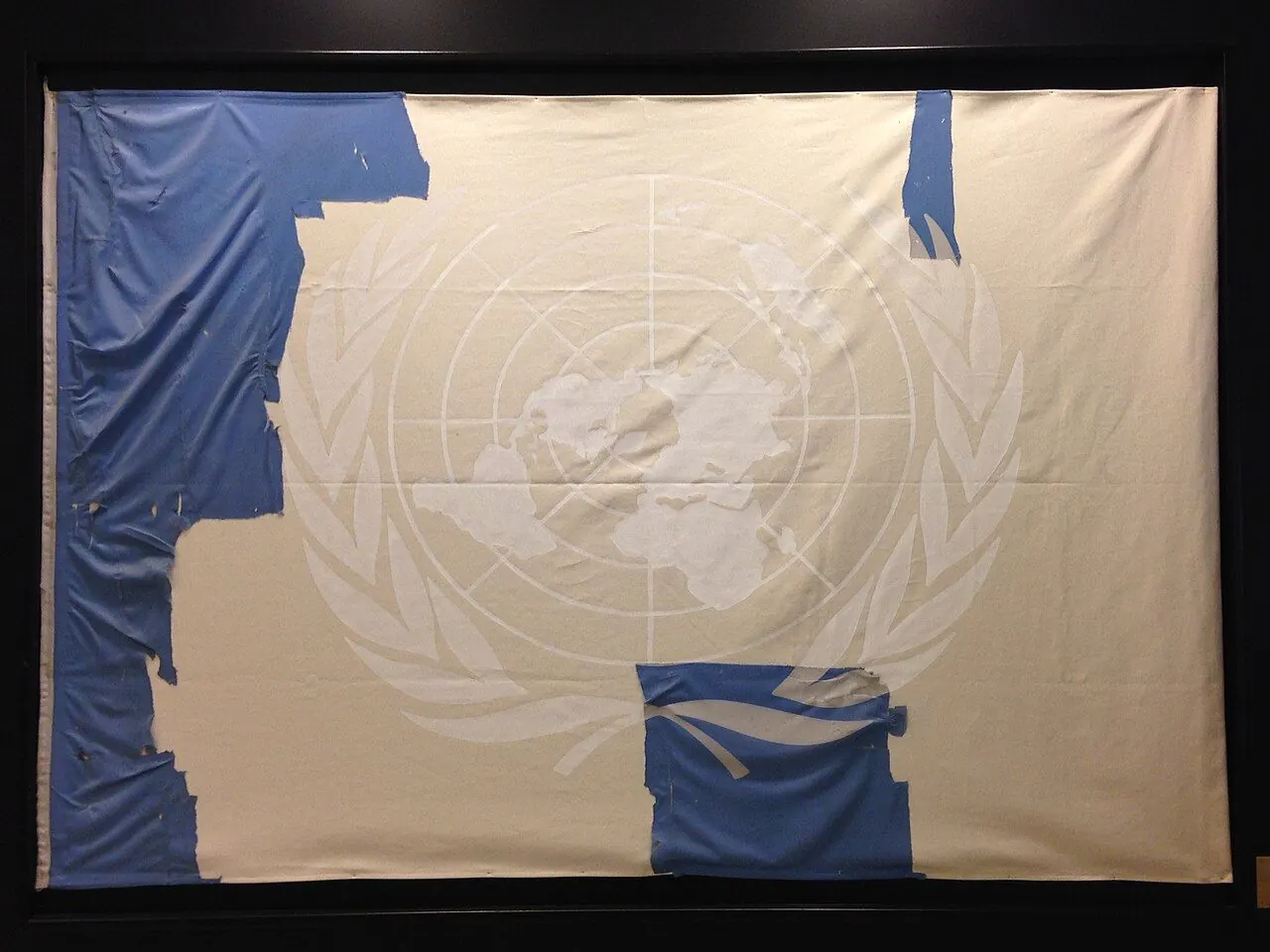
Photo: Mourad Ben Abdallah / Wikimedia Commons, CC BY-SA 4.0
UN acronyms dominate crisis reporting, but each one stands for a body with its own mandate: UNHCR protects refugees, UNICEF works for children, WFP provides food assistance, OCHA coordinates the humanitarian response, WHO leads on health and UNDP on development. Most rely on voluntary contributions and rarely act alone, working with governments, NGOs and the Red Cross and Red Crescent Movement.
Which agency does what
| Agency | Core role |
|---|---|
| UNHCR, the UN Refugee Agency | Protects and supports refugees, people forced to flee within their own country and stateless people, from emergency shelter and legal help to long-term solutions such as resettlement |
| UNICEF, the UN Children's Fund | Works for the rights and well-being of children, including health, nutrition, education, child protection and humanitarian action in crises |
| World Food Programme (WFP) | Provides food assistance in emergencies and works on hunger and food security; it also runs logistics that the wider aid system depends on |
| OCHA, the Office for the Coordination of Humanitarian Affairs | Coordinates humanitarian response, manages pooled funds and runs ReliefWeb |
| World Health Organization (WHO) | Leads global public health work and coordinates the international response to health emergencies |
| UN Development Programme (UNDP) | Works on long-term development, such as reducing poverty and strengthening governance, rather than emergency relief |
| UNRWA | Provides relief and services to Palestine refugees |
OCHA's mandate comes from UN General Assembly resolution 46/182 of 1991, which set out how the UN should coordinate emergency aid. OCHA manages the Central Emergency Response Fund (CERF), a global fund for rapid response and underfunded crises, and country-based pooled funds in individual crisis countries. ReliefWeb, launched in 1996, is an OCHA service that publishes reports, maps and appeals from agencies across the humanitarian sector.
UNRWA was established by General Assembly resolution 302 (IV) in December 1949 to carry out relief and works programmes for Palestine refugees, and began operations in 1950. It works in Jordan, Lebanon, Syria, the West Bank and the Gaza Strip.
How the agencies are funded
UN member states pay assessed contributions to the UN's regular budget, calculated mainly on their capacity to pay, but this is not how most humanitarian agencies are financed. UNICEF is supported entirely by voluntary contributions from governments, foundations, companies and individuals. WFP says all government support is given on an entirely voluntary basis. UNHCR relies almost entirely on voluntary contributions, with a small subsidy from the UN regular budget towards administrative costs. UNRWA is also funded almost entirely by voluntary contributions. WHO, a specialised agency, combines assessed contributions from its member states with voluntary funding.
Voluntary funding means an agency's budget depends on donors' decisions each year, and much of the money is earmarked for particular countries or programmes. That is why appeals and pooled funds matter: they let donors give flexibly to wherever needs are greatest.
How the system works together
UN agencies seldom deliver aid on their own. UNHCR, for example, works with governments, the private sector, sister UN agencies and NGOs, many of them local or national organisations that deliver services on the ground. Agencies also fund one another: UNICEF's published funding figures show contributions from other UN bodies, including WFP.
The Red Cross and Red Crescent Movement works alongside the UN but is not part of it. The International Committee of the Red Cross (ICRC) is a neutral, impartial and independent organisation whose mission is to protect the lives and dignity of victims of armed conflict and other violence and to provide them with assistance. The International Federation of Red Cross and Red Crescent Societies (IFRC) unites 191 National Societies, including the British Red Cross, and describes itself as the world's largest humanitarian network.
When a crisis appears in the news, the acronym tells you who is responsible for what: refugees and displacement for UNHCR, children for UNICEF, food for WFP, coordination and pooled funding for OCHA, health for WHO. ReliefWeb is the easiest place to read their situation reports and appeals side by side.
General information, checked against the sources below at the time of writing. Rules and tax reliefs change; confirm with GOV.UK, the regulator or the organisation concerned before you rely on them. Relief Weekly is a magazine, not a charity, and does not collect donations.