Volunteering · How-to
How to Start Volunteering
From volunteer centres to DBS checks and expenses, the practical steps a first-time volunteer in the UK needs to know before signing up.
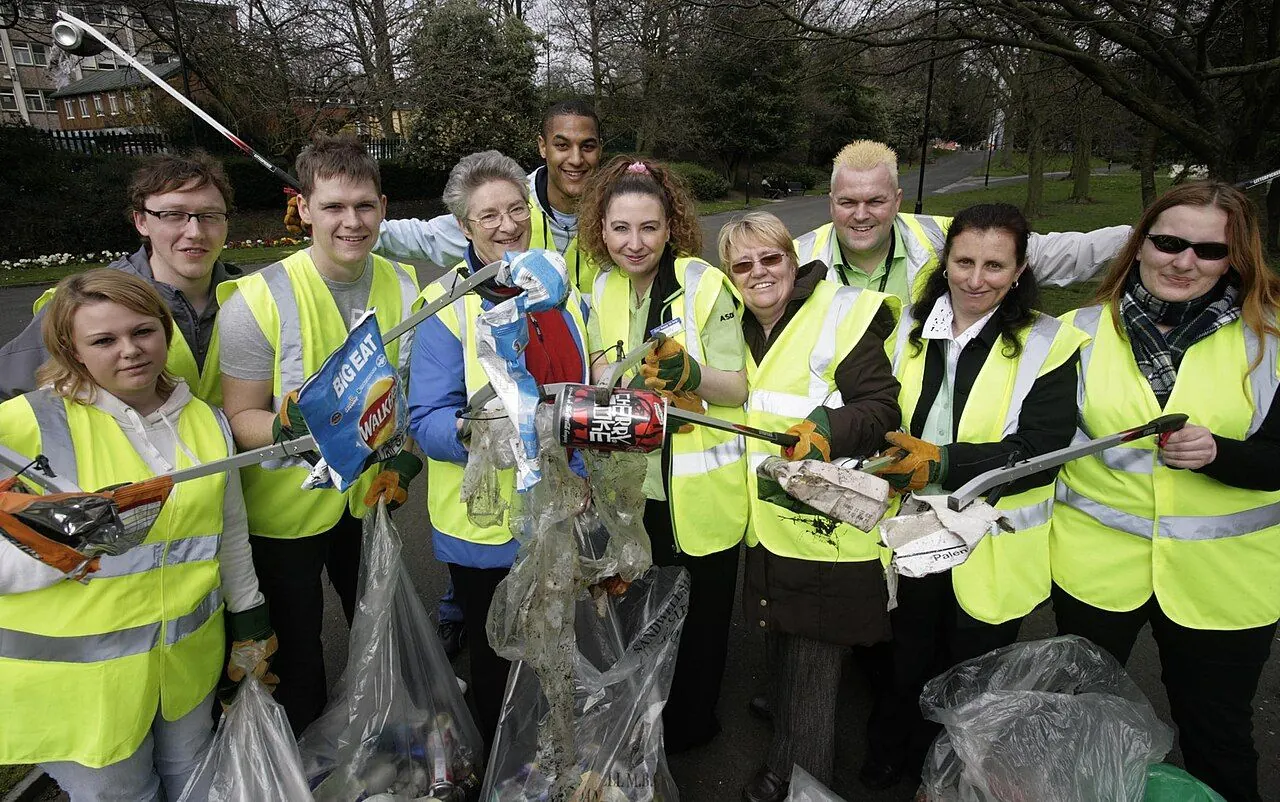
Photo: Sandwell Council / Wikimedia Commons, CC BY-SA 2.0
Starting to volunteer in the UK begins with working out what you can offer and how much time you have, then finding a role through a local volunteer centre, a volunteering website or a charity directly. Expect a short application, some checks for certain roles, and clear rules on expenses and benefits.
Finding a Volunteer Opportunity
According to NCVO, potential volunteers should first decide on the causes that interest them, how much time they can realistically give, whether they want to volunteer in person, remotely or both, and what skills they want to use or develop. Many roles need no previous experience, and they range from one-off events to regular commitments, in person or online.
To find specific opportunities, use:
- Local volunteer centres, which help match people with suitable roles; NCVO has a map for finding your nearest centre.
- National volunteering websites and databases, which can be searched by interest, activity or location, and the NHS Volunteering website listed on GOV.UK.
- A charity's own website, where roles are usually listed with full details.
- Local charities and community groups, which you can ask directly.
- Word of mouth, from friends, family or colleagues who already volunteer.
Application and Screening
The National Careers Service says you'll need a CV and a cover letter for most volunteering positions, and that you should check when you're needed, the hours you'll commit and where you need to go, and research the organisation so you know what to expect. NCVO's guidance for organisations describes the usual stages: an application, an interview or informal chat, appropriate checks, and then an offer, often followed by an induction and training.
Depending on the role, you may need to confirm your identity, give a reference or get a Disclosure and Barring Service (DBS) check. GOV.UK says a DBS check might be needed if you want to volunteer with children or vulnerable adults, and that a criminal record does not rule you out of most roles, depending on the offences. Organisations list these requirements in their role details, so volunteers need not see a check as an invasion of privacy.
Volunteering, Expenses, Rights and Benefits
Volunteers are not paid for their time and do not have a contract of employment, so they do not have the same rights as an employee or worker. GOV.UK says you may get money to cover expenses, usually limited to food, drink, travel or equipment you need to buy. Receiving any other payment, reward or benefit in kind could mean you are classed as a worker or employee rather than a volunteer, so it is worth asking how expenses are claimed before you start.
You can volunteer while claiming benefits if the only money you get is to cover expenses and you continue to meet the conditions of your benefit. Tell the office that pays your benefit before you start, including the role, the hours and any expenses. NCVO notes that there is no general 16-hour weekly limit on volunteering for claimants, a common misconception. GOV.UK, and nidirect in Northern Ireland, have the full rules.
To begin, pick a suitable role, check the hours and location, confirm any ID, reference, DBS or expense arrangements, and let your benefits office know if you claim. With those basics settled, the rest is the role itself: giving time and skills to a cause you believe in.
General information, checked against the sources below at the time of writing. Rules and tax reliefs change; confirm with GOV.UK, the regulator or the organisation concerned before you rely on them. Relief Weekly is a magazine, not a charity, and does not collect donations.