HomeArchiveAid & DevelopmentThe Seven A's of Aid
From the archive · Principles
The Seven A's of Aid
How the charity decided which aid requests to take on: asking, access, acceptability, availability, affordability, appropriateness and accountability.
From the archive. Around 1998 to 2001 this web address carried the website of a small UK relief charity. This page keeps one of its items as a historical record. Relief Weekly, which publishes the site today, is an independent magazine with no connection to that charity; its name, the names of its staff and supporters, addresses, telephone numbers, registration details and donation forms have been removed, and lost pictures have been replaced with credited photographs of the places concerned. Nothing here is a current appeal.
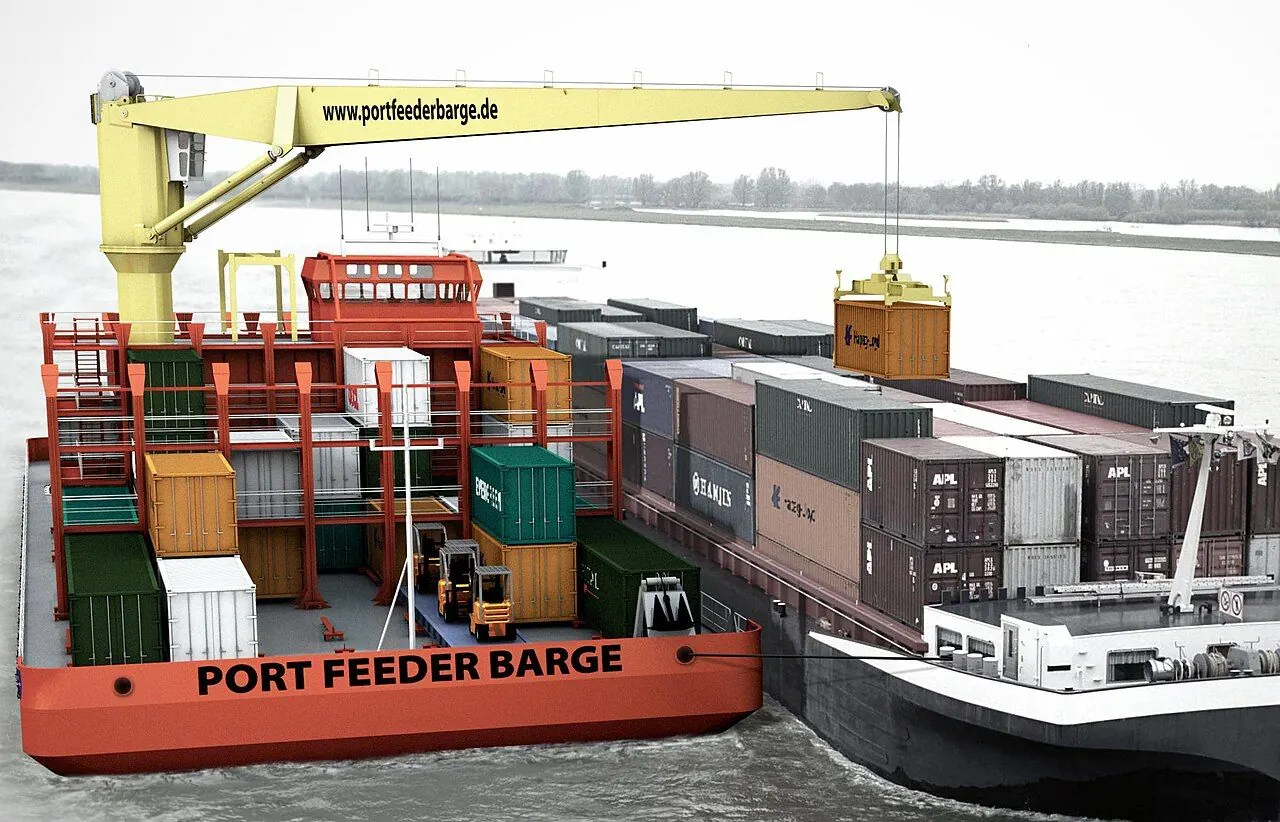
Pictured today: Photo: Prof. Dr.-Ing. Ulrich Malchow / Wikimedia Commons, CC BY-SA 3.0
The charity receives dozens of urgent aid requests every year from deserving people in the U.K. and overseas. However, each of these projects the charity embraces must be fully accountable for program integrity.
Our staff and field workers follow over 30 procedures to deliver a single shipment of emergency supplies from the U.K. to a foreign port - not including the additional effort (and costs) to get our goods from port to project, often over jungle roads. Our domestic programs, both disaster relief and for Native Americans, are held to similar levels of accountability.
We developed our "Seven Basic A's" for selecting programs the charity will sponsor. Each of our projects must meet these criteria:
1. Asking
We must be asked to help.Without that "ask", we can't possibly know what aid to deliver, where, when or to whom. The charity never "ships for the sake of shipping".
2. Accessability
Can our supplies be safely delivered and stored in a war zone or under other adverse circumstances? Will local laws or practices (i.e., Customs delays, bribery or organized crime) hinder our work?
3. Acceptability
Will our efforts be accepted locally? Christian aid and ministry are not welcomed resources in some cultures.
4. Availability
Can the charity get appropriate resources to do our job? Can we meet the requests of our project colleagues for specific needs? We will never knowingly "ship junk".
5. Affordability
Resources must be used wisely and committed carefully. In any the charity outreach, we strive to avoid commitments we can't meet; solid hope isn't built on shaky promises.
6. Appropriateness
Is the proposed outreach a proper effort for a Christian ministry and a charity representing the United Kingdom? Would our donors be pleased or offended by a particular effort?
7. Accountability
Will our resources reach the people we are determined to help and be properly used? Will we get field reports? Are site visits possible, even in war zones? Can we meet regulatory and audit standards, both in the U.K. and overseas?
Not every group works this way, and we respect other methods. However, this approach works for the people we help and assures our donors of their donations' maximum positive impact on troubled lives. Our donors help deliver many positive proofs of God's love... a measure of success no auditor, regulator or charity watchdog can measure with a calculator.