Crises Explained · Explainer
Cash Not Goods
Tins and blankets feel like the most personal gift, yet aid agencies almost always ask for money instead. Here is why cash reaches people faster.
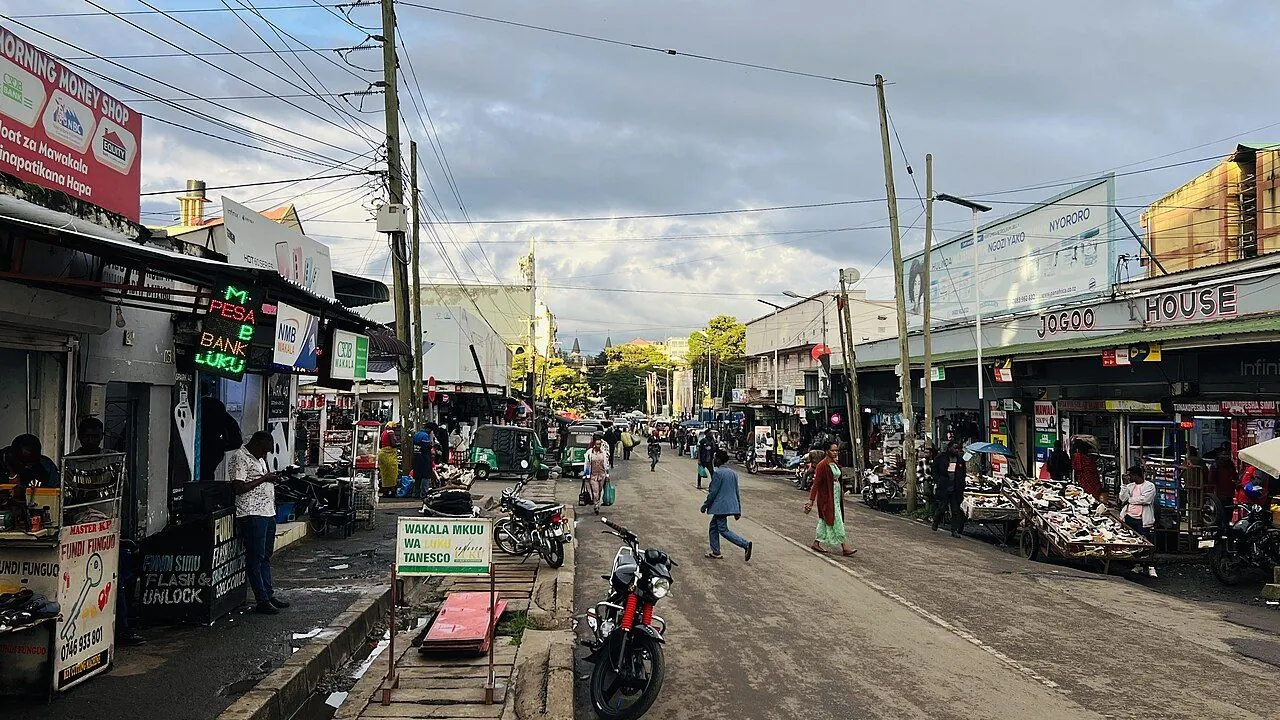
Photo: Brayan Tesha / Wikimedia Commons, CC0
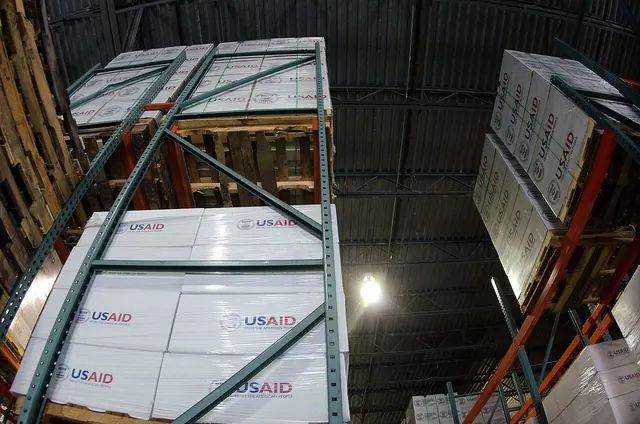
Aid agencies ask for money rather than tins, clothes and blankets because cash lets them buy the right aid, fast, usually close to the disaster, while donated goods are slow and costly to ship, sort and store and often do not match what people need. The British Red Cross puts it plainly: in most cases, donating items does not help those affected, and at worst it can slow down the effort to save lives.
The hidden cost of sending goods
While the idea of sending tinned food or bedding is attractive, it does not reflect how aid works. Donated items have to be collected, sorted, cleaned, packed, transported, cleared through customs, stored and distributed, and every step costs money and staff time that could go on relief. The British Red Cross says that, on average, it costs four times more to source and buy goods in the UK and send them overseas than to buy the same items locally.
Goods that nobody asked for can also become a burden in their own right; aid workers sometimes call this "the second disaster". The IFRC, which coordinates the Red Cross and Red Crescent movement internationally, describes unsolicited bilateral donations as goods donated spontaneously after a disaster that were never requested. They cause problems when they arrive in large quantities, do not match people's needs or do not suit the local climate and culture. An IFRC report on the response to Hurricane Dorian in the Bahamas in 2019 recorded poor-quality used clothing, soiled mattresses and expired food among the donations, and noted that such goods strain an already stretched supply chain, run up storage and handling fees and can end up in landfill.
What cash does instead
Cash gives agencies flexibility. They can buy what is needed, in the right quantity, when it is needed, and switch quickly as needs change. Essentials are often available in-country, and buying them from local suppliers gets them to people faster while supporting shops, traders and jobs in the affected area as the money circulates.
Increasingly, agencies give some of that money directly to families as cash and voucher assistance. The DEC notes that it gives people the dignity and choice to buy exactly what they need, whether food, medicine or other essentials, and can stop households from selling their belongings or cutting back on food and medicine to get by. It also reduces the waste and transport emissions that come with shipping in-kind aid.
Cash is not the answer everywhere. It works where local markets are functioning; where shops are empty or destroyed, or prices are spiralling, agencies may still bring in food, shelter materials or other supplies, and they carry out market assessments to decide which approach fits. That choice is best made by experienced agencies on the ground, not by donors abroad.
When goods do help
There are exceptions. An organisation working in the affected area may publicly ask for specific items, and in that case follow its instructions exactly. Otherwise, if you have good-quality clothes or household items to give, a charity shop can sell them and turn them into money for the charity's work.
The practical takeaway is simple: when a disaster strikes overseas, give money to an established agency's appeal, such as a Disasters Emergency Committee appeal, and let the professionals decide what to buy. If you are a UK taxpayer, adding Gift Aid lets the charity claim an extra 25p for every £1 you give.
General information, checked against the sources below at the time of writing. Rules and tax reliefs change; confirm with GOV.UK, the regulator or the organisation concerned before you rely on them. Relief Weekly is a magazine, not a charity, and does not collect donations.