Aid & Development · Explainer
Orphanages and Family Care
International guidance treats institutions as a narrow exception, and donors are increasingly asked to help children stay with or return to families.
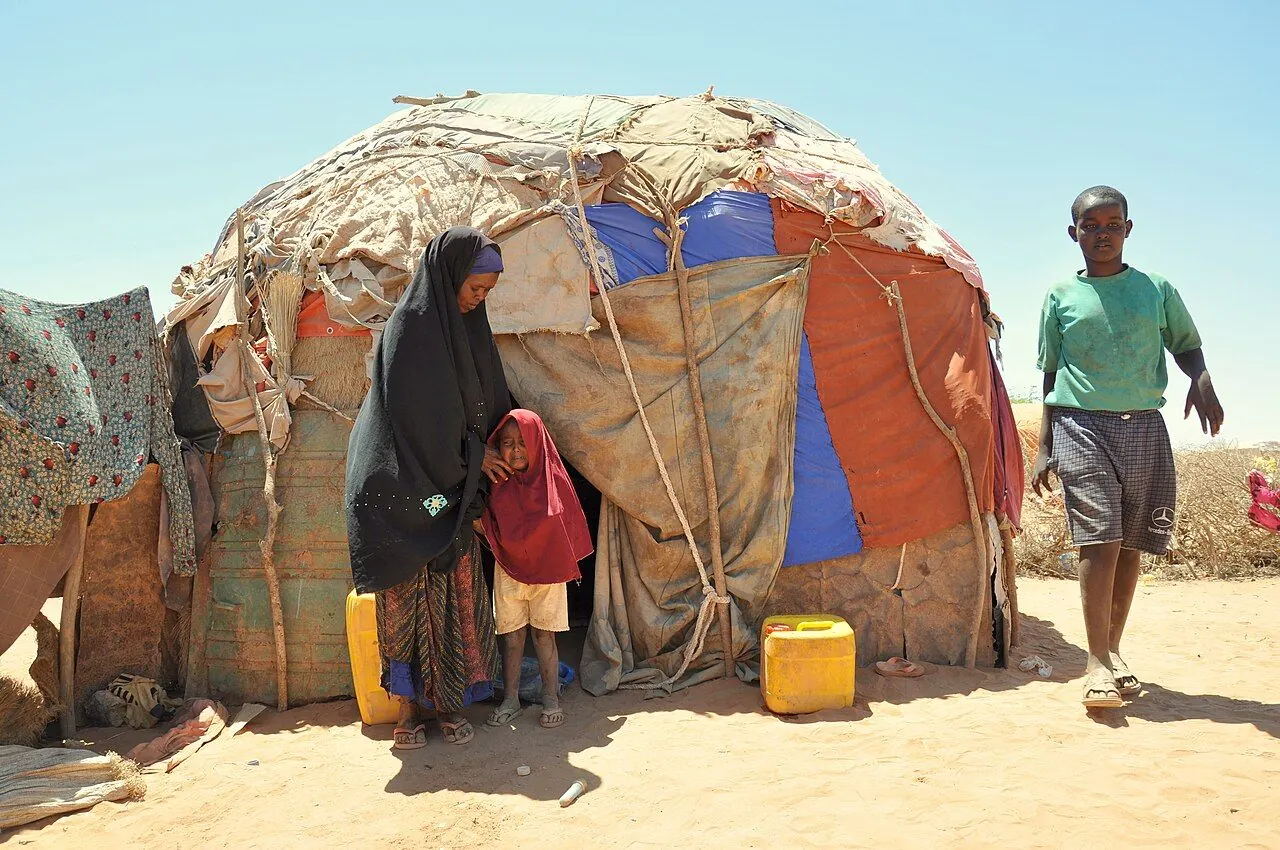
Photo: Oxfam East Africa / Wikimedia Commons, CC BY 2.0
Aid for vulnerable children is moving away from orphanages because most children in them are not orphans, and international guidance holds that a child is best cared for in a family. The UN Guidelines for the Alternative Care of Children prioritise keeping children with their families and, where that is impossible, family- and community-based care, with institutions a limited exception.
What the UN Guidelines say
The UN General Assembly welcomed the Guidelines for the Alternative Care of Children in resolution 64/142, adopted on 18 December 2009. They say that removing a child from the care of the family should be a measure of last resort and, whenever possible, temporary and for the shortest possible time. Financial and material poverty should never be the only reason for taking a child into alternative care or for preventing a child's return home; it should instead be a signal that the family needs support.
The use of residential care, the Guidelines add, should be limited to cases where such a setting is specifically appropriate, necessary and constructive for the individual child and in the child's best interests. Care for young children, especially those under the age of 3, should be provided in family-based settings. Where large institutions remain, states should develop alternatives as part of an overall deinstitutionalisation strategy that allows for their progressive elimination, and any decision to open new residential facilities should take full account of that goal.
What family-based care means
When a child cannot live with their parents, the Guidelines describe the family-based options. Kinship care is care within the child's extended family or with close friends of the family known to the child, whether formal or informal. Foster care means a competent authority places a child with another family that has been selected, qualified, approved and supervised to provide care. Reintegration means returning a child to parental care once the reasons for separation have been resolved, where that is in the child's best interests, and the Guidelines call for removal decisions to be reviewed regularly with that return in mind.
UNICEF notes that the majority of children in residential or institutional care are not orphans and have at least one living parent or close relative. It also points to research showing that institutional care can harm children's development, especially in early childhood, because children are deprived of the individual attention, stimulation and stable attachment that family life provides.
Why donors and volunteers are asked to think again
When orphanages depend on overseas donations and visitors, money can flow to keeping children in institutions rather than helping families stay together. The Guidelines themselves say that alternative care should never be provided with a prime purpose of furthering the political, religious or economic goals of the providers. The UK government's foreign travel advice for Nepal warns that some orphanages offering volunteer placements are profit-oriented organisations rather than charities, and that volunteering at them could contribute to child exploitation.
At home, GOV.UK advises that anyone who wants to volunteer with children or vulnerable adults may need a Disclosure and Barring Service (DBS) check. Short-term visitors coming and going through a children's home cannot provide the safe and continuous attachment to caregivers that the Guidelines describe as a basic need.
For a donor or church group already supporting an orphanage overseas, the practical shift is to ask how the money could help children live in families: supporting parents so poverty does not force separation, tracing relatives and helping children return home, and funding kinship and foster care that is approved and supervised by local child protection authorities. Any change should be planned carefully with those authorities, so that no child is moved abruptly and every young person leaving care has support.
General information, checked against the sources below at the time of writing. Rules and tax reliefs change; confirm with GOV.UK, the regulator or the organisation concerned before you rely on them. Relief Weekly is a magazine, not a charity, and does not collect donations.