Crises Explained · Explainer
How Famine Is Declared
Famine is a technical classification with three strict thresholds, reviewed by independent experts, and people are often dying long before it is reached.
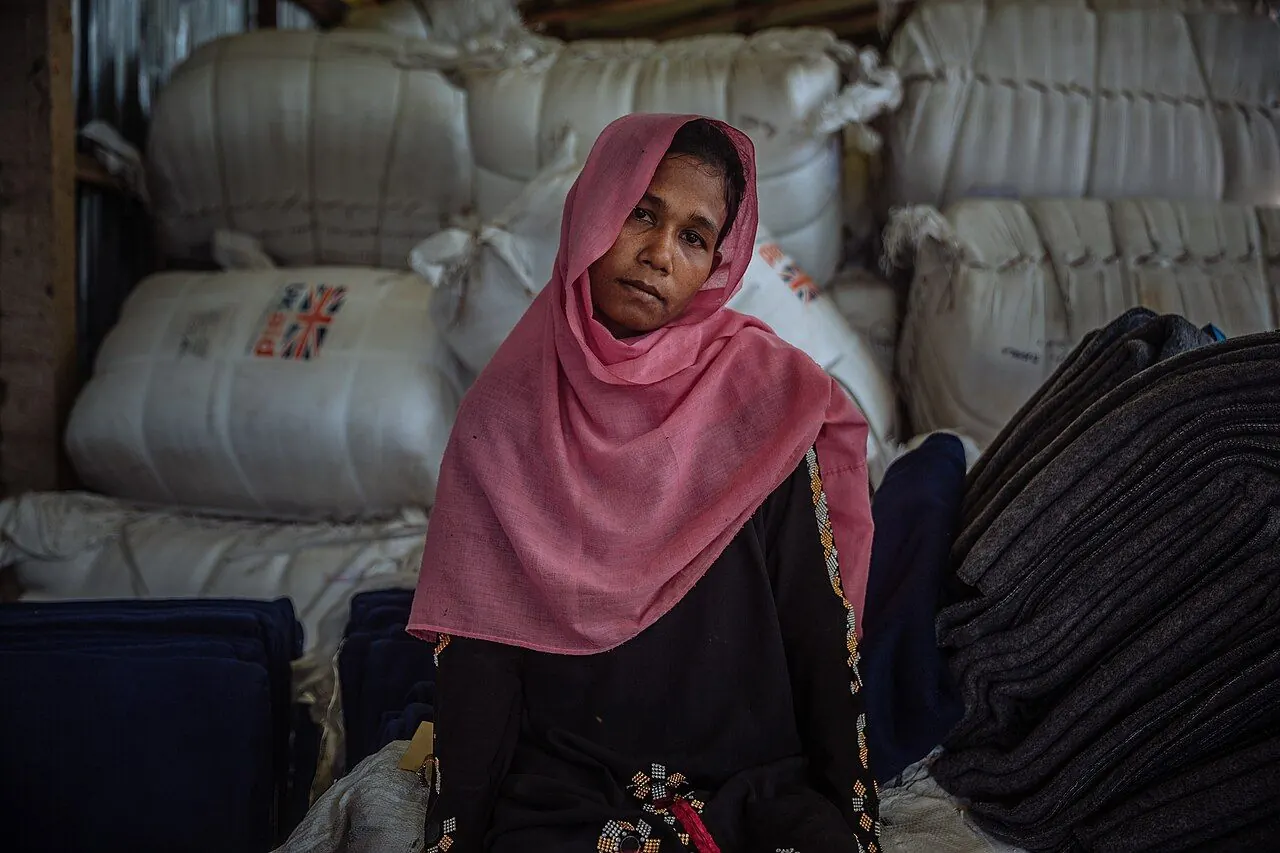
Photo: DFID / Wikimedia Commons, CC BY 2.0
Famine is not a loose media term but a specific classification under the Integrated Food Security Phase Classification (IPC), used only when an area crosses three thresholds at once: at least 20% of households facing an extreme lack of food, at least 30% of children acutely malnourished, and at least two deaths per 10,000 people (or four child deaths per 10,000 children) every day. Strictly, the IPC does not "declare" famine: it classifies it, and governments, UN agencies and humanitarian organisations then make the public statements usually reported as a declaration.
The IPC in plain English
The IPC is the global standard for classifying how severe hunger is in a place. Famine sits at the top of a five-phase scale:
| Phase | Name | What it means for households |
|---|---|---|
| 1 | None/Minimal | Able to meet essential food and non-food needs without unusual coping strategies |
| 2 | Stressed | Minimally adequate food, but cannot afford some essential non-food spending without stress-coping |
| 3 | Crisis | Food gaps with high acute malnutrition, or just meeting needs by selling essential assets |
| 4 | Emergency | Large food gaps with very high malnutrition and excess deaths, or emergency coping and selling off assets |
| 5 | Catastrophe/Famine | Extreme lack of food even after using every coping strategy; starvation, death and destitution are evident |
There is a subtle but important split in Phase 5. "Catastrophe" is classified at household level, so some households can be in Phase 5 in an area that is not in famine. "Famine" can only be classified at area level, when food insecurity, acute malnutrition and mortality together cross the famine thresholds in the same area at the same time.
Who carries out the analysis and checks it
IPC analyses are carried out in each country by an IPC Technical Working Group that brings together government, UN agencies, NGOs and other partners, who weigh the evidence and reach a technical consensus. An area is classified as "Famine with solid evidence" when there is clear and compelling evidence that all three thresholds have been reached, and as "Famine with reasonable evidence" when two thresholds are clearly met and analysts reasonably judge from the wider evidence that the third has likely been reached.
Because the stakes are so high, a famine finding goes to the Famine Review Committee, a team of leading independent international experts in food security, nutrition and mortality. A review can be triggered when a country's working group concludes an area is in famine, when there is a breakdown in technical consensus, when the IPC Global Support Unit is concerned about famine conditions, or when an IPC global partner asks for one. The committee examines the evidence, judges whether a famine classification is plausible and publishes its report on the IPC website. The IPC can also issue a "Risk of Famine" analysis, meaning there is a reasonable probability that an area could go into famine in the period ahead.
Why early warning still matters
A famine classification is rare, and it comes late. The thresholds are high, and the evidence, especially mortality data, is hard to collect in conflict or remote areas, so people can die in large numbers in Phase 4 and before an area is formally classified as famine. The IPC's own guidance lists conflict, economic decline, natural hazards and inadequate humanitarian response as the common drivers of famine and extreme food crises.
That is why early warning systems matter. The Famine Early Warning Systems Network (FEWS NET), set up by the US Agency for International Development in 1985 after devastating famines in East and West Africa, publishes food security analysis, alerts and forecasts months ahead, mapped on the same phase scale. Such warnings are meant to trigger action long before the famine thresholds are reached.
The practical takeaway: when a crisis is reported as Phase 4 "Emergency", people are already dying and help is already urgent. Supporting an established agency's appeal early, rather than waiting for the word "famine", is when aid can do most good.
General information, checked against the sources below at the time of writing. Rules and tax reliefs change; confirm with GOV.UK, the regulator or the organisation concerned before you rely on them. Relief Weekly is a magazine, not a charity, and does not collect donations.