Crises Explained · Explainer
Refugee or Asylum Seeker
The words refugee, asylum seeker and migrant are often used as if they were the same, but in law each one carries different rights and protections.
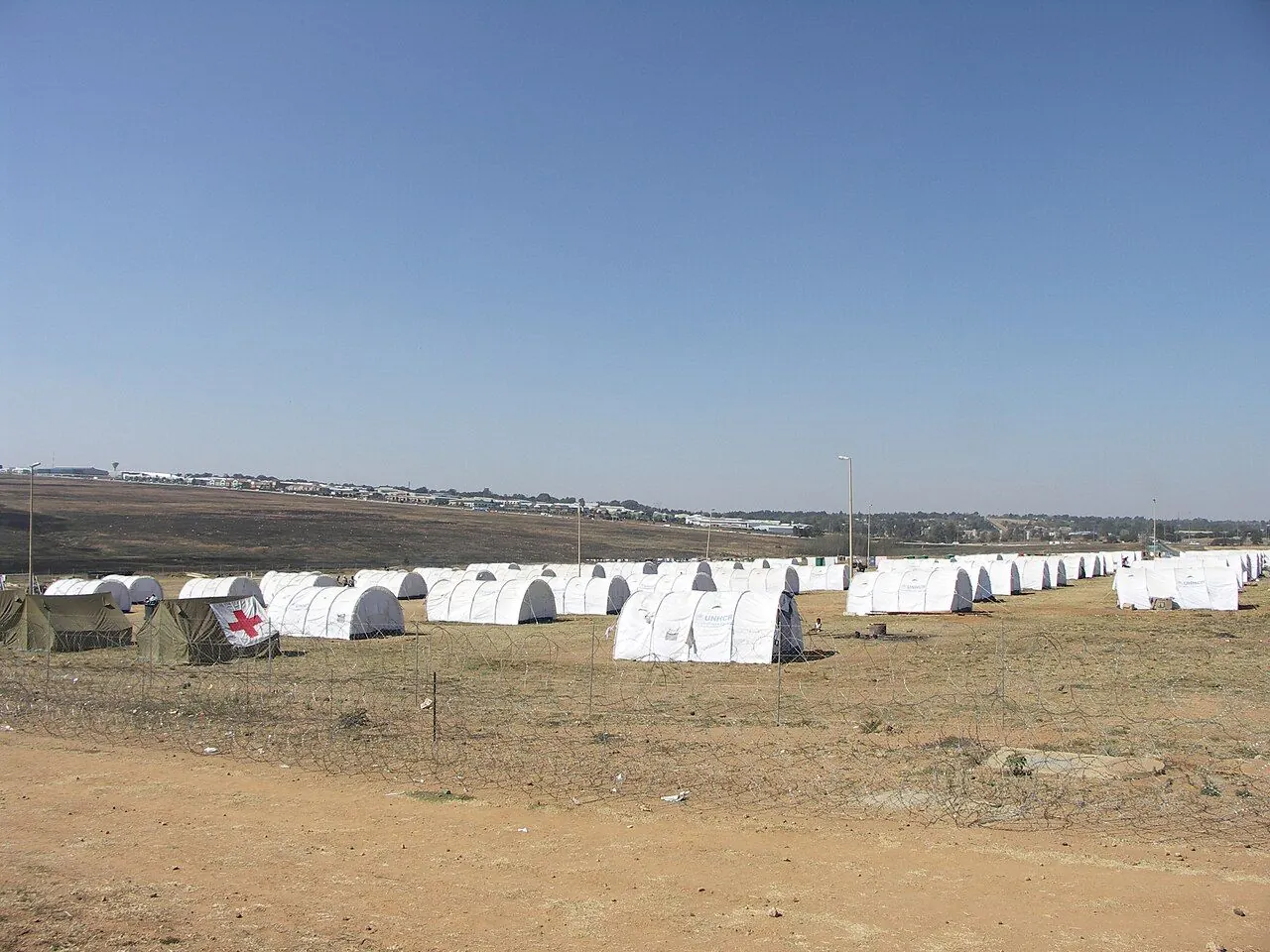
Photo: NJR ZA / Wikimedia Commons, CC BY-SA 3.0
A refugee is someone who has fled their country because of a well-founded fear of persecution and is protected under international law; an asylum seeker is someone who has asked for that protection and is still waiting for a decision. The difference is not just semantics: it decides who gets protection, on what basis, and what can happen to them in the meantime.
The legal categories that drive rights
The legal definition comes from Article 1 of the 1951 Refugee Convention, to which the UK is a party along with its 1967 Protocol. It describes a refugee as a person who, "owing to well-founded fear of being persecuted for reasons of race, religion, nationality, membership of a particular social group or political opinion, is outside the country of his nationality and is unable or, owing to such fear, is unwilling to avail himself of the protection of that country". UNHCR, the UN Refugee Agency, also uses the word more broadly for people outside their country who need international protection because of a serious threat to their life, physical integrity or freedom from persecution, armed conflict, violence or serious public disorder.
Asylum seekers are people who have sought international protection and whose claims for refugee status have not yet been determined. The House of Commons Library uses similar wording: someone who has applied for asylum and is awaiting a decision on whether they will be granted refugee status. In the UK, claims are made to the Home Office, and GOV.UK tells applicants they must have left their country and be unable to go back because they fear persecution. Recognition of refugee status is declaratory: a person is a refugee as soon as they meet the Convention criteria, and the decision confirms it rather than creates it. So every refugee has been an asylum seeker, but not every asylum seeker will turn out to be a refugee.
People who are displaced but not refugees
The labels need to be specific because displacement comes in many forms, and each word carries a different set of rights:
| Term | Who it describes |
|---|---|
| Refugee | Outside their own country, with a well-founded fear of persecution (or recognised by UNHCR as needing international protection) |
| Asylum seeker | Has asked for international protection; the claim is not yet decided |
| Internally displaced person (IDP) | Forced to flee home because of conflict, violence, human rights violations or disasters, but has not crossed an internationally recognised border |
| Stateless person | Not considered a national by any state under its law, whether or not they have ever moved |
| Migrant | No uniform legal definition in international law; traditionally someone who moves by choice, increasingly an umbrella term for anyone who moves |
Because "migrant" has no legal definition, UNHCR stresses that "migrant" and "refugee" cannot be used interchangeably. A refugee is protected by a specific international legal framework; a person who moves for work, study or to join family is covered by the ordinary immigration rules of the country they move to.
Why the words matter in practice
The most important protection is the principle of non-refoulement, set out in Article 33 of the 1951 Convention: states must not expel or return a person to a territory where their life or freedom would be threatened because of their race, religion, nationality, membership of a particular social group or political opinion. UNHCR says it applies to both refugees and asylum seekers, so an asylum seeker cannot be sent back before their claim is decided, and as a rule of customary international law it binds all states, whether or not they have signed the Convention.
Resettlement is a separate path. UNHCR defines it as the transfer of refugees from the country where they have sought asylum to another state that has agreed to admit them and ultimately grant them permanent residence. It is a route for people already recognised as refugees, not a synonym for asylum, and each government decides whether to run resettlement schemes.
The practical takeaway: use "refugee" for people with protection or a clear claim to it, "asylum seeker" for people whose claim is pending, and "migrant" as a general word for people on the move. For the exact legal position, check UNHCR and the House of Commons Library.
General information, checked against the sources below at the time of writing. Rules and tax reliefs change; confirm with GOV.UK, the regulator or the organisation concerned before you rely on them. Relief Weekly is a magazine, not a charity, and does not collect donations.