Why rural schools stall on teachers, not buildings
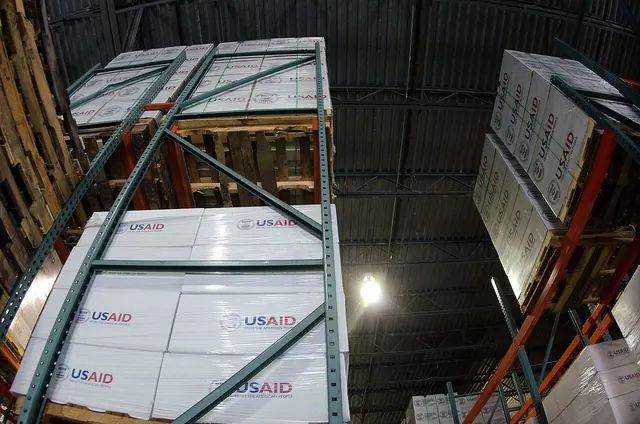
Donors like classrooms. A classroom can be photographed, opened, dated and counted. That is why the visible history of rural education in South Sudan and comparable places is a history of buildings, and why the results so often disappoint the people who paid for them. A school is not a room. It is an adult who knows the subject, can manage forty children of mixed ages, and is still there next year. That adult is the scarce resource, and training and retaining them is slower and less photogenic than construction.
Why buildings are the easy part
Construction has a defined end. Teacher supply does not: the intake has to be repeated every year, against attrition, and it depends on the secondary school system that is itself short of teachers. In districts with long conflict interruptions, a generation of potential teachers had its own schooling broken, so the candidate pool starts below the level the curriculum assumes.
The result is a classroom staffed by someone with goodwill, incomplete schooling and no training, teaching a syllabus written for someone else. Enrolment figures then look encouraging while learning does not move, and the gap between the two is the single most misread number in rural education.
What a rural teacher is actually missing
Four gaps recur, and they are not the same problem. Subject knowledge comes first: a teacher cannot teach fractions or a grammar rule they were never securely taught. Language of instruction is second, and in South Sudan it is decisive, because teachers are asked to teach in English while thinking and living in another language, and their pupils arrive with a third.
Third is method for the real classroom: very large groups, wide age spread in one room, few books, no power, pupils who miss weeks for herding, harvest or displacement. Multi-grade teaching is the normal condition, not an advanced technique, yet it is rarely what training covers. Fourth is assessment, meaning the ability to find out who has understood before the term ends rather than after.
Training that works close to the school
The model that fails is the residential course far from home: it removes the teacher from the classroom, costs most of the budget in travel and lodging, reaches few people, and returns them to a school where nothing else has changed.
What works is training delivered near the school and spread over time. Short cycles in the local centre during school breaks, so nobody loses a term. In-service coaching, where a trainer visits the classroom, watches a lesson and works on one thing. Clusters of nearby schools meeting monthly, which is the cheapest form of continuing training and the most durable, because it survives the end of a project. Distance and radio materials for subject content, with a local tutor for the practical part. And a clear ladder from untrained volunteer to certified teacher, so that the training earns the teacher something.
Two details decide whether any of it holds. Training must be tied to the syllabus the teacher will actually teach next month, not to a generic pedagogy. And head teachers have to be trained too, because a trained teacher under an untrained head reverts within a term.
What keeps trained teachers in post
Training that is not matched by retention simply supplies better teachers to other employers. Retention rests on unglamorous things: a salary that arrives reliably and on time, which in remote districts is a banking and payroll problem more than a budget one; somewhere to live near the school; recognition of the qualification so the effort converts into status and pay; and a route for local candidates, especially women, to qualify without leaving their district, since teachers recruited from the community are the ones who stay.
None of this photographs well. But the order of operations is clear enough: a district with trained, paid, resident teachers and no new buildings will out-teach a district with new buildings and none of the rest. Anyone funding rural education can ask one question that cuts through the brochure: what happens to this school in three years, when the construction budget is spent and the teachers are still there or not.